Healthcare branding. Clear direction.
Healthcare Branding Services for Doctors, Clinics and Hospitals
Build a healthcare brand people can recognize, understand and trust.
DigiTaTop provides healthcare branding services for doctors, clinics, hospitals, medical laboratories and healthcare organizations that need a clearer market position and a more consistent identity.
We connect audience understanding, positioning, messaging, proof and visual identity into a consistent brand experience.

A clear strategic foundation
Strategy Before Visual Identity
A healthcare brand should not begin with choosing colors. Its visual identity should communicate a strategy that has already been defined.
Before design, we clarify your audience, what the organization should be known for, genuine differentiators, service priorities and the evidence behind its promise.
Research → audience → positioning → messaging → identity → implementation
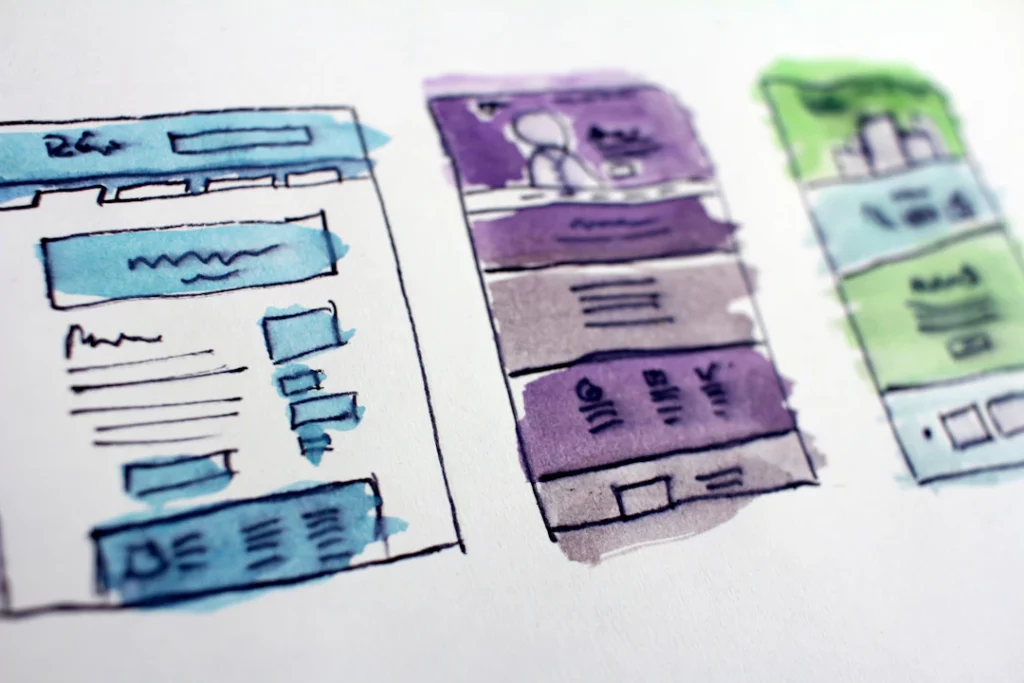
Build a brand system
Your website, social media, advertising, doctors, branches and patient communications should feel like one organization.
Healthcare organization: specialties → services → doctors → locations.
Doctor-led practice: doctor expertise → clinic brand → treatments → patient experience.
Healthcare group: master brand → facilities → departments → providers → services.
The architecture should reflect your structure and growth plans.
Distinct positioning
Define what the right audience should remember about your organization.
Credible messages
Support the brand promise with genuine evidence.
Connected identities
Clarify how doctors, services, locations and the organization relate.
Consistent implementation
Make the identity usable across digital and physical touchpoints.
Healthcare Experience Behind Our Branding Strategy
DigiTaTop is a healthcare-focused digital marketing agency operating from Dokki, Giza, Egypt.
Our healthcare project experience includes doctors, clinics, hospitals and medical laboratories, with work across markets including the United States, Saudi Arabia and the UAE.
Our branding work is informed by experience across healthcare websites, SEO, paid media and social media.
That wider perspective matters because audiences rarely experience a healthcare brand in one place.
A prospective patient may move through:
Google → website → doctor profile → social media → consultation request → clinic
A healthcare buyer may move through:
search → website → service information → presentation → sales conversation
The brand should remain recognizable and coherent throughout that journey.
We therefore develop branding systems for practical implementation, not simply presentation.
Healthcare branding scope
From positioning to a usable brand system
The exact scope depends on whether the organization is:
- launching a new healthcare brand;
- repositioning an existing organization;
- rebranding;
- expanding into new locations;
- introducing new services;
- consolidating multiple brands;
- strengthening a physician-led brand;
- or correcting inconsistent brand execution.
A branding engagement can include the following areas.
Research & positioning
Define audiences, differentiation and a defensible brand promise.
Architecture & messaging
Connect the organization, doctors and services through clear relationships.
Naming & visual identity
Translate strategy into language and a recognizable design system.
Proof & governance
Set supportable claims, approval responsibilities and brand guidelines.
Implementation & rollout
Apply the brand across agreed digital, business and physical assets.
Deliverables
Explore your healthcare branding scope
Open each area to review the work it can include. Deliverables and responsibilities are agreed before production begins.
Brand strategy should begin with evidence rather than assumptions.
DigiTaTop reviews the organization, its audiences, competitors and existing brand before recommending a direction.
Depending on the engagement, discovery may include:
- leadership interviews;
- stakeholder discussions;
- existing patient or customer insights;
- current brand assets;
- competitor positioning;
- website and digital presence;
- social media;
- advertisements;
- doctor profiles;
- service communication;
- audience segments;
- existing brand research where available;
- locations;
- organizational structure;
- and future business priorities.
We evaluate whether the current brand has problems with:
positioning, recognition, differentiation, relevance, consistency or implementation.
The output is a defined brand-development brief rather than a subjective opinion about whether the existing logo looks modern.
Brand strategy defines the position the organization should own in the minds of its relevant audiences.
Depending on the engagement, this can include:
- audience definition;
- market context;
- competitive position;
- brand purpose;
- value proposition;
- differentiating factors;
- service priorities;
- brand attributes;
- brand promise;
- positioning statement;
- and strategic messaging direction.
The central question is:
Why should the right audience remember this healthcare organization?
The answer should come from real strengths.
DigiTaTop does not recommend building positioning around unsupported phrases such as:
- “the best healthcare provider”;
- “number one clinic”;
- “the most trusted hospital”;
- or other claims that cannot be substantiated.
Strong healthcare positioning should be distinctive without becoming exaggerated.
Healthcare organizations often contain several interconnected brands and entities.
These may include:
- parent organizations;
- hospitals;
- clinics;
- individual physicians;
- departments;
- specialties;
- medical laboratories;
- service lines;
- branch locations;
- healthcare products;
- or associated companies.
Without clear brand architecture, audiences may struggle to understand how those entities relate.
DigiTaTop can help determine whether the organization should use:
- one master brand;
- endorsed sub-brands;
- location-level variations;
- physician-led branding;
- service-level identities;
- or another suitable structure.
The goal is clarity and scalability.
The organization should be able to introduce a new doctor, service, location or business unit without redesigning the brand structure every time.
Healthcare presents a branding challenge that is less common in many industries:
the individual expert can become a powerful brand independently of the organization.
Patients may discover a healthcare organization because they already know a doctor's name.
At the same time, a clinic or hospital needs brand value that can grow beyond a single provider.
DigiTaTop can define how those identities should work together.
For example:
Doctor brand
specialty → expertise → education → professional credibility
Organization brand
services → facilities → systems → locations → multidisciplinary capability
The objective is not to suppress a strong doctor's identity.
It is to create a relationship in which physician authority strengthens the healthcare organization while the organization provides context and credibility around the physician.
How a healthcare organization communicates is part of its brand.
Verbal identity can define:
- value proposition;
- brand story;
- messaging pillars;
- positioning language;
- tone of voice;
- terminology;
- service-description principles;
- audience-specific messages;
- tagline direction;
- and communication guardrails.
The objective is consistency without making every piece of communication sound identical.
A doctor introduction, hospital presentation, website service page and social-media post may use different formats, but they should still feel as though they come from the same organization.
Healthcare communication also requires appropriate restraint.
Strong branding should not depend on exaggerated treatment promises or unsupported medical claims.
Naming may be required for:
- a new clinic;
- hospital;
- medical center;
- healthcare company;
- service line;
- sub-brand;
- medical product;
- or healthcare program.
Where naming is part of the engagement, DigiTaTop can evaluate factors including:
- strategic fit;
- relevance;
- memorability;
- pronunciation;
- language;
- cultural context;
- future scalability;
- digital usability;
- and potential confusion with competing brands.
Taglines and naming systems should follow the positioning rather than attempting to compensate for an unclear strategy.
Final names should undergo appropriate trademark, legal and market checks by qualified professionals before adoption.
Once the strategy and messaging are clear, they can be translated into a recognizable visual system.
Depending on scope, healthcare visual identity can include:
- primary logo;
- logo variations;
- wordmark;
- symbol or icon;
- typography;
- color palette;
- graphic language;
- layout system;
- imagery direction;
- photography direction;
- illustration style;
- iconography;
- and digital applications.
The objective is not to create an attractive logo in isolation.
The identity must work as a repeatable system.
It should remain recognizable across:
- websites;
- social media;
- advertisements;
- presentations;
- brochures;
- videos;
- business documents;
- reports;
- signage;
- patient communication;
- and other relevant touchpoints.
Healthcare brands depend heavily on credibility.
A strong brand system should therefore define not only what the organization wants to say, but what supports those messages.
Depending on the organization, legitimate proof may include:
- provider qualifications;
- professional experience;
- organizational credentials;
- facilities;
- technologies;
- service capabilities;
- recognized accreditations;
- documented outcomes where appropriate;
- research;
- awards;
- partnerships;
- or other substantiated evidence.
DigiTaTop can help organize how proof is presented alongside brand messages.
Claims should be specific enough to be meaningful while remaining supportable.
Patient stories, testimonials, treatment claims, outcome statements, awards and other trust signals should only be used where the organization has the right to publish them and where applicable market, consent, legal and professional requirements have been reviewed.
Brand strategy should strengthen credibility—not manufacture it.
A brand system becomes difficult to scale if teams do not know how to use it.
DigiTaTop can create brand guidelines covering areas such as:
- logo usage;
- clear space and sizing;
- incorrect logo applications;
- typography;
- colors;
- imagery;
- graphic elements;
- tone of voice;
- messaging principles;
- approved brand descriptions;
- social applications;
- presentation use;
- and selected implementation examples.
For larger healthcare organizations, governance may also define:
- who owns the brand;
- who approves creative;
- how doctors use organizational assets;
- how new locations are incorporated;
- which files are authoritative;
- how agencies access brand materials;
- and how new campaigns are reviewed.
This becomes increasingly important as organizations add more teams, physicians, locations and external partners.
The branding project does not end when the identity presentation is approved.
The brand becomes useful when people can implement it consistently.
Depending on scope, DigiTaTop can prepare or coordinate applications across:
Digital touchpoints
- website visual direction;
- landing pages;
- social-media templates;
- digital advertisements;
- presentations;
- profile imagery;
- email signatures;
- video frames;
- campaign creative;
- digital documents.
Business and patient communication
- business cards;
- letterheads;
- reports;
- brochures;
- patient-information materials;
- forms;
- communication templates;
- presentation systems.
Physical applications
Where relevant, brand direction can support:
- exterior signage;
- reception areas;
- internal signage;
- wayfinding;
- wall graphics;
- uniforms;
- and other branded environmental elements.
Specialist architecture, signage fabrication, engineering or regulatory work remains within the responsibility of the appropriate professionals.
Our approach
Research. Define. Design. Implement.
Our seven-step process connects the organization’s real strengths with positioning, messaging, identity and implementation.
Inputs: current brand, business model, services, audiences, competitors, locations, providers and growth plans.
Output: prioritized brand problems and opportunities.
Inputs: stakeholder knowledge, existing audience information, market context and available research.
Output: audience framework and relevant decision drivers.
Inputs: organization strengths, audience needs and competitive landscape.
Output: positioning, differentiation, value proposition and strategic direction.
Inputs: organization structure, providers, services, locations and approved positioning.
Output: brand relationships, messaging hierarchy and verbal direction.
Inputs: approved strategy and messaging.
Output: visual identity system and agreed applications.
The approved brand is applied to the agreed assets.
Validation checks:
- identity consistency;
- usability;
- messaging alignment;
- brand relationships;
- implementation accuracy;
- and whether the system works across required formats.
The brand system is designed to accommodate future services, doctors, campaigns and locations without losing its recognizable core.
The right fit
A brand system that fits your organization
Explore the deliverables, audiences, market considerations and evaluation approach behind a healthcare branding engagement.
Every project is scoped before production begins.
Depending on the engagement, deliverables may include:
Strategy
- brand audit;
- competitive-positioning analysis;
- audience framework;
- positioning statement;
- value proposition;
- brand architecture;
- brand attributes;
- proof framework.
Messaging
- brand story;
- messaging pillars;
- tone-of-voice framework;
- terminology guidance;
- tagline direction;
- service messaging principles.
Visual identity
- logo system;
- color system;
- typography;
- graphic language;
- image direction;
- selected identity applications.
Implementation
- brand guidelines;
- social-media templates;
- presentation templates;
- selected stationery;
- campaign direction;
- digital brand assets.
The proposal defines exactly which deliverables are included so the organization understands the scope before work begins.
Doctors and Medical Specialists
Doctor branding can clarify:
- professional identity;
- specialty;
- areas of expertise;
- positioning;
- visual identity;
- educational presence;
- and relationships with associated clinics or hospitals.
The objective is credible professional recognition rather than an exaggerated personal brand.
Medical Clinics
Clinic branding may need to connect:
clinic identity → physicians → treatments → service experience → patient communication
The brand should remain coherent even as doctors, treatments and locations change.
Hospitals
Hospital branding can require a wider architecture covering:
- departments;
- specialties;
- physicians;
- service lines;
- facilities;
- corporate communication;
- locations;
- recruitment;
- and patient-facing services.
A scalable identity and governance system becomes especially important.
Medical Laboratories
Laboratory branding may need to communicate:
- reliability;
- test services;
- professional capability;
- locations;
- patient services;
- home services where available;
- B2B relationships;
- and organizational credibility.
Healthcare Companies
Healthcare companies may communicate with patients, professionals, hospitals, businesses, investors, partners or distributors.
Brand strategy should follow the actual business model rather than assuming every healthcare organization has the same patient-acquisition journey.
Healthcare brands may need to operate across different countries, cultures and languages.
DigiTaTop operates from Dokki, Giza, Egypt and has healthcare project experience in markets including the United States, Saudi Arabia and the UAE.
For international branding engagements, planning can consider:
- target markets;
- target audiences;
- languages;
- cultural context;
- organization structure;
- naming implications;
- service positioning;
- existing brand equity;
- local implementation requirements;
- and approval responsibilities.
International branding is not simply translation.
Names, terminology, visual cues and messages may be interpreted differently between markets.
Where trademark, advertising, professional, healthcare or other market-specific requirements affect the project, the organization should obtain appropriate qualified review before final implementation.
Experience in one country is not presented as proof of legal or regulatory expertise in another.
Branding deserves stronger priority when:
- the healthcare organization is launching;
- the current identity no longer reflects the organization;
- patients cannot easily understand what makes it different;
- messaging varies significantly between channels;
- individual doctor brands compete with the clinic brand;
- multiple locations lack consistency;
- the organization is expanding;
- new service lines need a coherent place within the brand;
- marketing campaigns lack recognizable brand assets;
- the organization has outgrown its original identity;
- or competitors appear indistinguishable.
DigiTaTop does not recommend rebranding automatically.
The existing brand already has strong recognition
A completely new identity can destroy useful brand equity without solving an important business problem.
A refinement may be more appropriate.
Search visibility is the primary constraint
If the brand is clear but relevant audiences cannot discover the organization, Medical SEO may deserve greater priority.
The website experience is weak
A strong visual identity cannot compensate for confusing navigation, poor service information or broken conversion paths.
In this situation, healthcare website design may require greater attention.
Immediate acquisition is the primary objective
If positioning and conversion paths are already strong but demand is insufficient, healthcare PPC may be a more immediate priority.
The underlying service experience is inconsistent
Branding should not be used to conceal poor response processes or inconsistent delivery.
Branding works best when it clarifies and strengthens the real organization.
Branding defines the foundation.
Other marketing disciplines use that foundation in different ways.
Branding
Defines:
positioning → messaging → identity → brand rules
Website Design
Turns the brand into a usable digital experience.
Explore healthcare website design.
Social Media
Applies the brand consistently to ongoing communication and audience engagement.
Explore healthcare social media marketing.
Paid Media
Uses positioning, messaging and creative systems in acquisition campaigns.
Explore healthcare PPC.
Medical SEO
Helps audiences discover relevant services, providers and information through organic search.
Explore Medical SEO services.
AI-Assisted Discovery
Clear, consistent public information can also support how organizations are understood across emerging search and retrieval environments.
Explore healthcare AI search optimization.
These disciplines should reinforce one another without becoming interchangeable.
Branding is not an SEO ranking shortcut.
A new identity does not automatically improve Google rankings or generate AI recommendations.
Brand consistency can, however, reduce ambiguity around the organization.
Important public facts should remain aligned across relevant digital properties, including:
- organization name;
- brand description;
- provider names;
- specialties;
- services;
- locations;
- visual identity;
- and relationships between the organization and its providers.
Consistent naming and positioning make it easier for people to recognize the same organization across search results, websites, social platforms and other digital environments.
DigiTaTop coordinates branding with the wider digital system where appropriate without promising rankings or AI citations as direct branding outcomes.
Branding cannot be reduced to one number.
Performance may be evaluated through a combination of qualitative and quantitative indicators.
Brand Consistency
- correct identity usage;
- consistency across channels;
- adherence to brand guidelines;
- consistent messaging;
- alignment between provider and organization brands.
Brand Recognition
Depending on available data:
- branded search activity;
- direct traffic;
- audience research;
- repeat interaction;
- campaign recognition;
- brand recall studies.
Communication Clarity
Evaluation can examine whether audiences understand:
- what the organization provides;
- who it serves;
- what differentiates it;
- and what action they should take.
Marketing Performance
Brand changes may also contribute to:
- website engagement;
- campaign response;
- advertising creative performance;
- landing-page conversion;
- social engagement;
- and sales or inquiry quality.
These results should be interpreted carefully because marketing channels, market conditions, pricing, reputation and operational factors can also influence performance.
Healthcare-Focused Strategy
We consider patients, providers, specialties, healthcare buyers, services and organizational trust rather than applying a generic consumer-brand framework.
Research Before Design
We examine the organization, audience and competitive environment before defining visual direction.
Strategy Before Logo Development
Positioning and brand relationships are clarified before design becomes the focus.
Doctor and Organization Brands Are Considered Together
The relationship between provider reputation and organizational brand equity is treated as a strategic issue rather than an afterthought.
Proof Supports Positioning
Brand promises should connect with genuine evidence instead of unsupported superlatives.
Branding Is Designed for Implementation
The system is created to work across websites, social media, advertising, presentations, communication and relevant physical touchpoints.
Branding Connects With the Wider Marketing System
Our work across healthcare digital marketing services allows branding decisions to consider how the identity will actually be used.
Responsible Healthcare Communication
We do not recommend fabricated credentials, misleading awards, unsupported medical claims or promises that the organization cannot substantiate.
A healthcare brand should not begin with choosing colors.
The visual identity should communicate a strategy that has already been defined.
Before design begins, DigiTaTop works to clarify questions such as:
- Who does the organization need to reach?
- What does each audience need to understand?
- What should the organization be known for?
- Which capabilities genuinely differentiate it?
- Which services or specialties should shape its position?
- What evidence supports the brand promise?
- What role should doctors play within the organization brand?
- How should multiple locations, departments or service lines relate?
- How should the brand remain consistent across marketing channels?
This creates a stronger sequence:
research → audience → positioning → messaging → identity → implementation
rather than:
logo → colors → templates → strategy later
FAQs
Healthcare branding questions, answered
Understand branding scope, rebranding, identity applications, timelines and costs.
Healthcare branding is the strategic process of defining how a healthcare organization is positioned, described, recognized and experienced.
It can include research, positioning, messaging, brand architecture, verbal identity, visual identity, brand guidelines and implementation.
A logo is one component of a visual identity.
Branding defines the wider system behind it, including:
- positioning;
- audience;
- message;
- differentiation;
- tone;
- visual identity;
- brand relationships;
- and implementation rules.
A new logo alone cannot solve an unclear positioning problem.
Depending on the project, services can include:
- brand research;
- audit;
- positioning;
- competitive analysis;
- brand architecture;
- naming;
- messaging;
- verbal identity;
- visual identity;
- logo development;
- typography;
- color systems;
- brand guidelines;
- and implementation support.
The final scope is defined before production begins.
Yes.
Doctor branding can involve positioning, messaging, visual identity and defining how the doctor's professional brand relates to associated clinics or hospitals.
The objective is to communicate legitimate expertise clearly rather than manufacture authority.
Yes.
Clinic branding can include strategy, positioning, messaging, visual identity, doctor-brand relationships and implementation across digital and physical touchpoints.
Yes.
Hospital branding may require more complex architecture involving departments, specialists, facilities, services and locations.
The scope depends on the structure and objectives of the hospital or healthcare group.
Yes.
We first assess why the change is being considered and what brand equity already exists.
The appropriate solution may be:
- complete rebranding;
- repositioning;
- messaging refinement;
- visual refresh;
- architecture changes;
- or better implementation of the existing identity.
A complete rebrand is not automatically the right answer.
Yes.
A new-brand engagement can begin with business context, research, audience definition, positioning and naming before developing messaging, visual identity and implementation assets.
Trademark and legal clearance should be handled by qualified professionals before final adoption.
Social-media templates can be included as branding implementation assets.
Ongoing strategy, content production, publishing and community management belong to our healthcare social media marketing services.
Brand strategy and identity provide the foundation for a website, but full design and development are separate services.
The brand defines how the organization should be positioned and represented.
Healthcare website design translates that system into the digital experience.
Branding does not directly guarantee search rankings or AI citations.
However, consistent organization names, provider relationships, service descriptions and brand information can strengthen the clarity of the organization's overall digital identity.
SEO and AI-search work should be handled through their appropriate disciplines.
There is no universal project duration.
Timing depends on factors including:
- research requirements;
- number of stakeholders;
- organization size;
- naming;
- brand architecture;
- visual identity scope;
- number of applications;
- and approval requirements.
The project stages and expected deliverables are defined after reviewing the scope.
Pricing depends on:
- strategy requirements;
- research;
- organization complexity;
- naming requirements;
- number of brands or sub-brands;
- verbal identity;
- visual identity;
- required applications;
- brand-guideline depth;
- and implementation support.
After reviewing the organization and objectives, DigiTaTop defines the recommended scope, deliverables, responsibilities and fees.
Yes.
DigiTaTop operates from Dokki, Giza, Egypt and has healthcare project experience in markets including the United States, Saudi Arabia and the UAE.
International projects are scoped according to target markets, audiences, languages, organization structure and implementation requirements.
Build a Healthcare Brand With a Clear Strategic Foundation
If your organization feels inconsistent, looks interchangeable with competitors or has outgrown its current identity, the solution may not be another logo concept.
The first step is identifying what the brand problem actually is.
DigiTaTop can review your organization, audience, positioning, messaging, doctors, services, locations and existing identity to determine whether the primary constraint is:
- positioning;
- differentiation;
- brand architecture;
- messaging;
- proof;
- visual identity;
- provider-brand relationships;
- implementation;
- or governance.
The initial discussion is used to identify the strongest priorities and define a practical branding scope.
Request a Healthcare Branding Consultation
Or explore our complete healthcare digital marketing services to see how branding can work alongside Medical SEO, healthcare social media marketing, healthcare website design, healthcare PPC and healthcare AI search optimization.